

“Be loyal to good.”
— Don McPherson
The story
My mother lived in Auburn. My father lived in Utica. When it was time to go from one to the other, they put me on a bus by myself. I was around eight.
One day my father didn't come. I waited at the station, then found a worker and told him. He called the police, and an officer drove me back to Auburn. After that my mother had custody.
When I was nine, the state police came to the house. My mother was in crisis. They took her to a mental hospital and took me to a foster home that night.
I spent the rest of my childhood in foster care. Eight families and two group homes.
My mother spent time in prison.
In my mid-twenties I went looking for her. I found her in North Carolina, working at a grocery store decorating cakes. A week after we first talked, she was diagnosed with a brain tumor. I went down to see her. She died about a week later. Start to finish, from finding her to losing her, it took two weeks.
Not long after that I got a DWI and eventually lost my job. That wasn't something that happened to me. It was a choice I made.
I moved to Florida and worked in mortgages for a few years. The official reason was the job. The real reason was that my father lived there. We golfed. He came to my wedding. I never asked him why he didn't come to the station that day. He died not long after I moved back to New York.
I started in client services at Anelli Xavier. I built the firm's first payment plan system because nobody else had, and moved into running operations.
Later, Dennis Nave and I started Nave Law Firm.
Through my thirties I was building. I got good at the work and I worked hard. I was also hard to work for. I brought urgency and pressure into every room, and I yelled. I called it high standards.
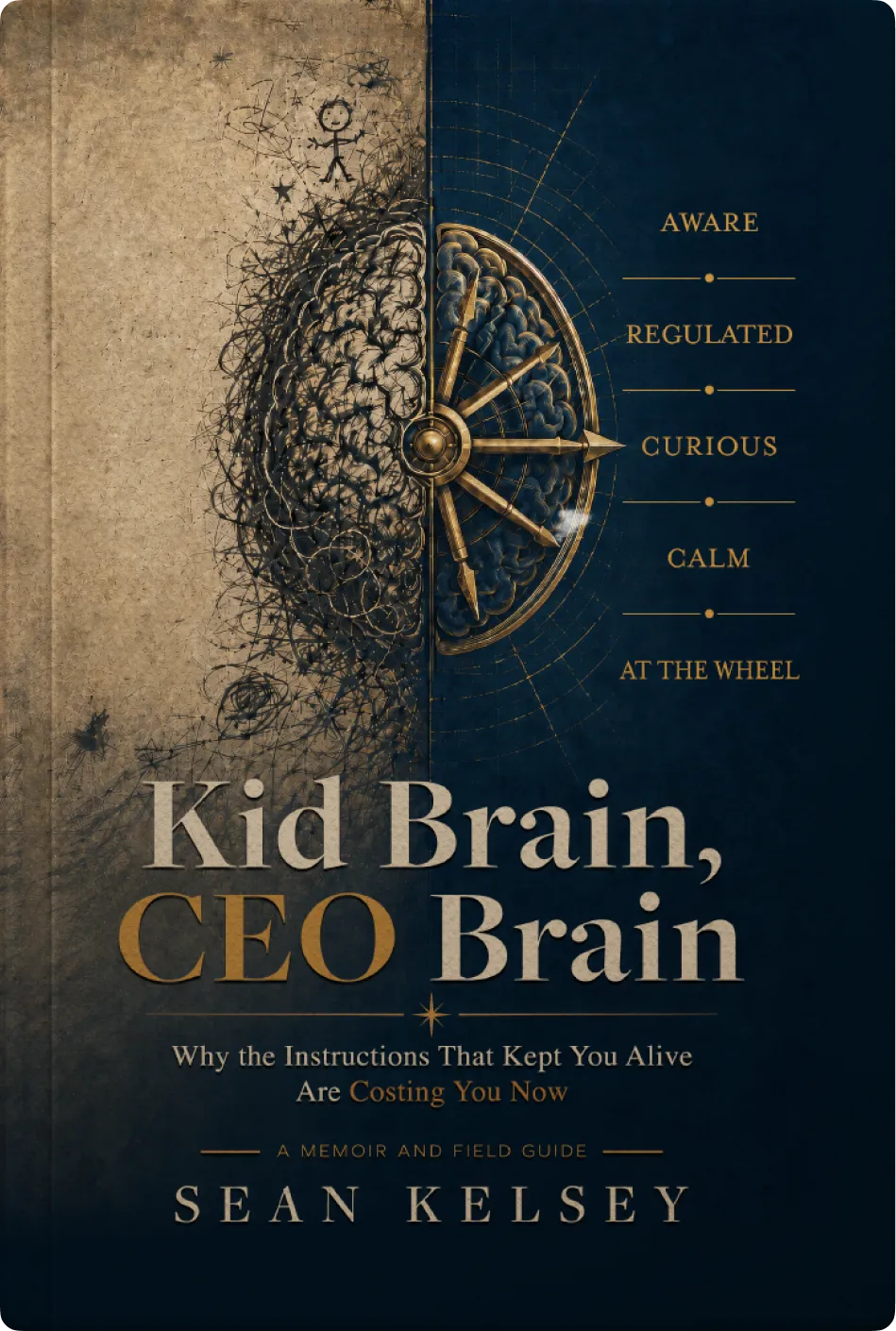
In my forties I started therapy. Not because of a crisis — I had a good marriage and a growing company. I went because I was tired of not understanding myself.
My family
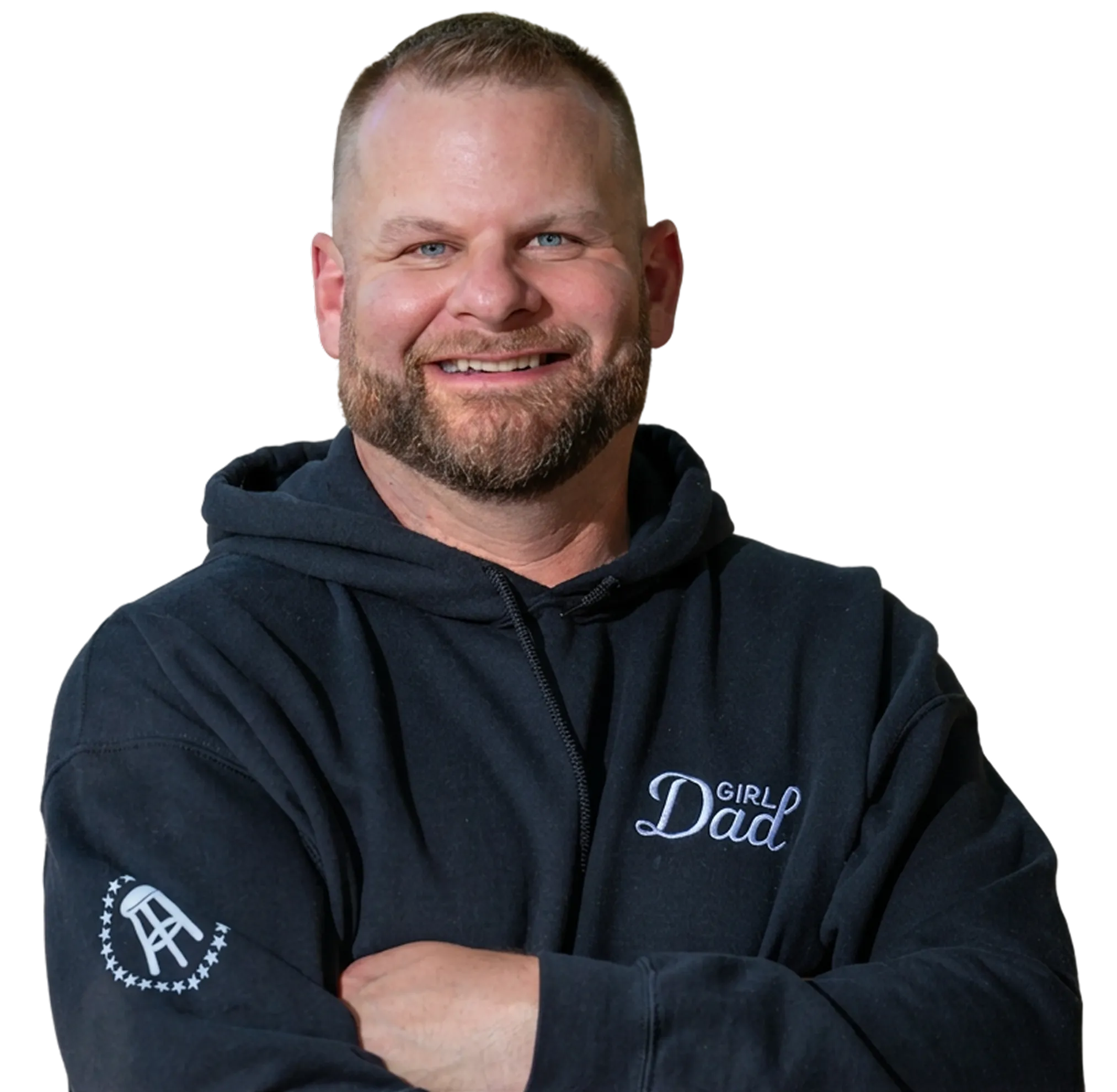
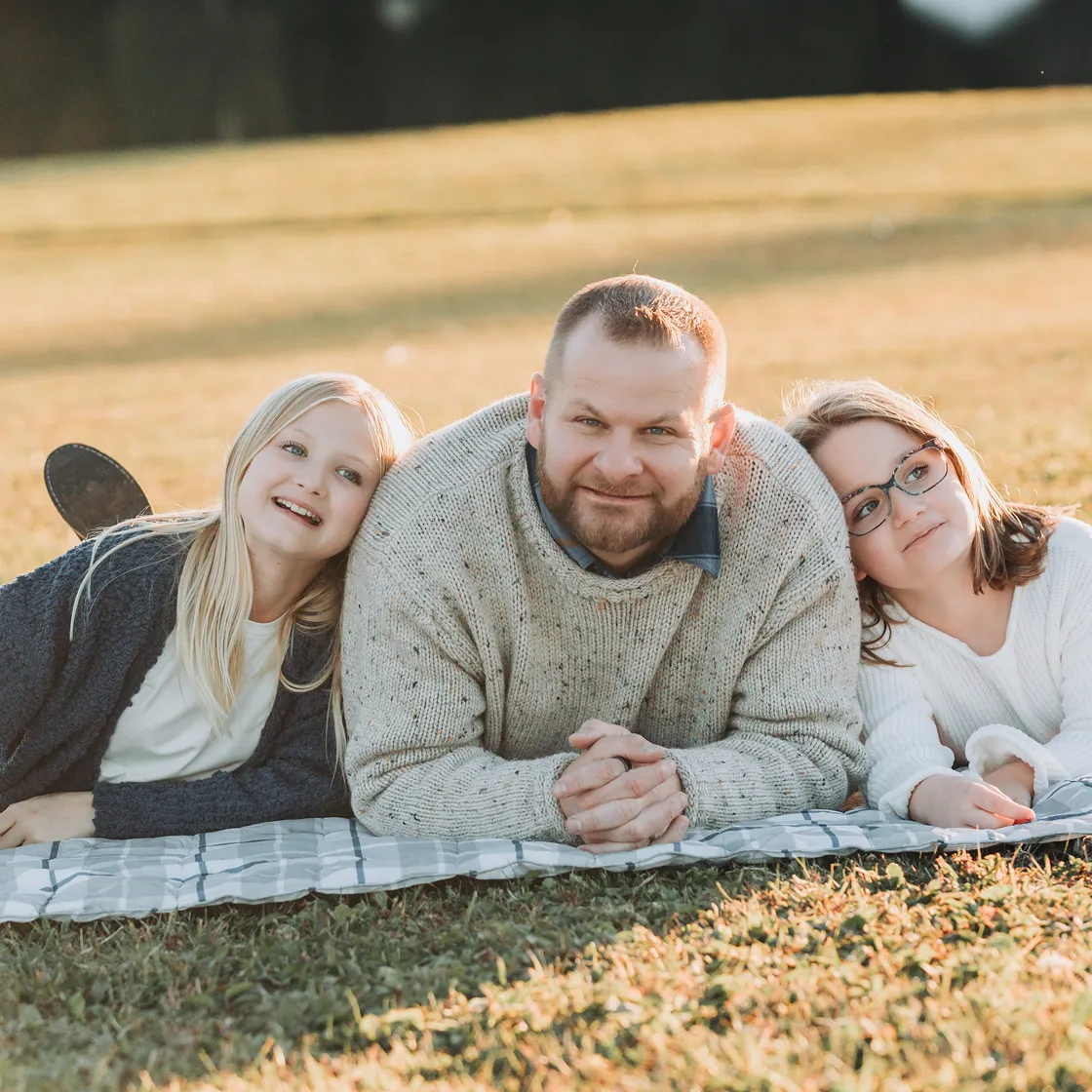
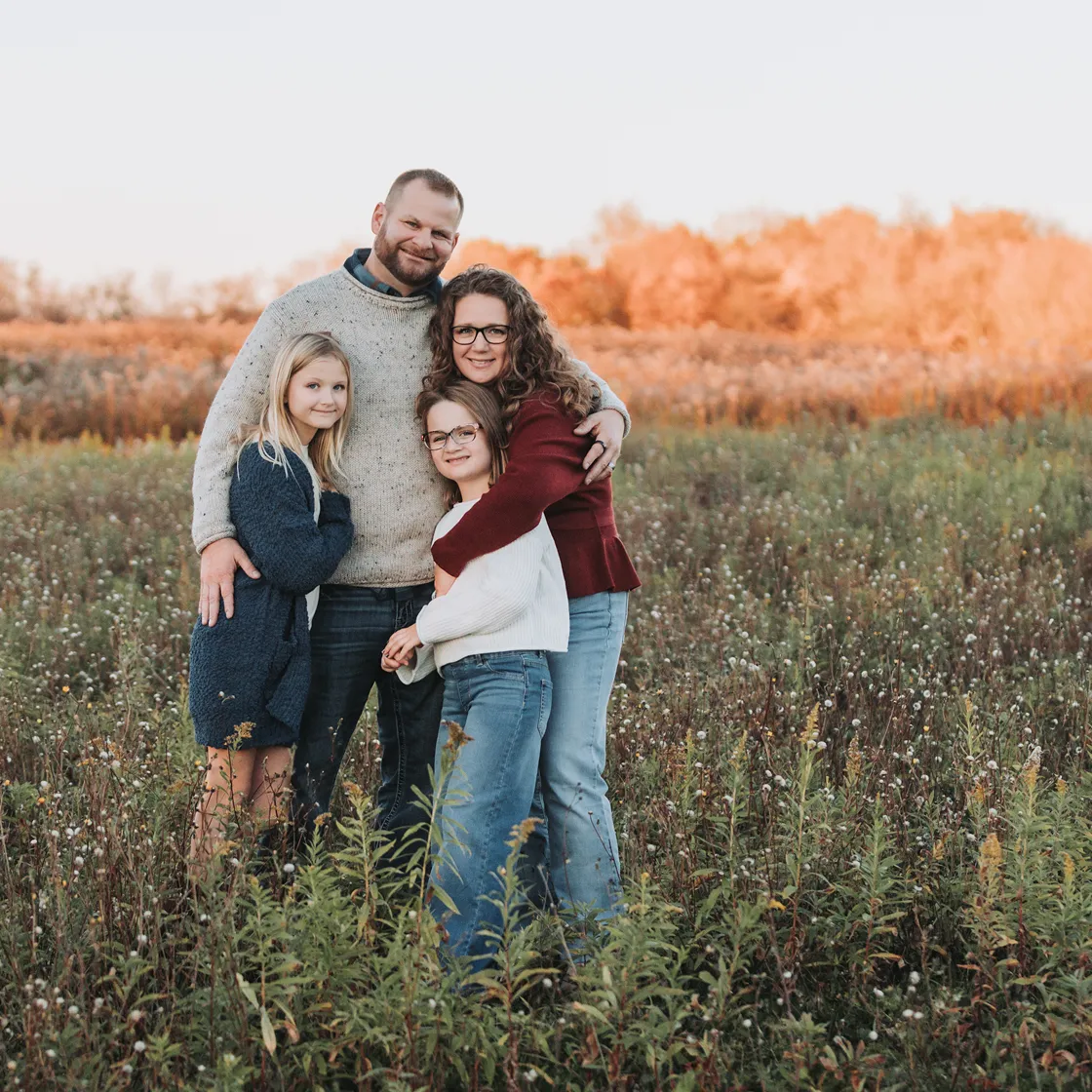
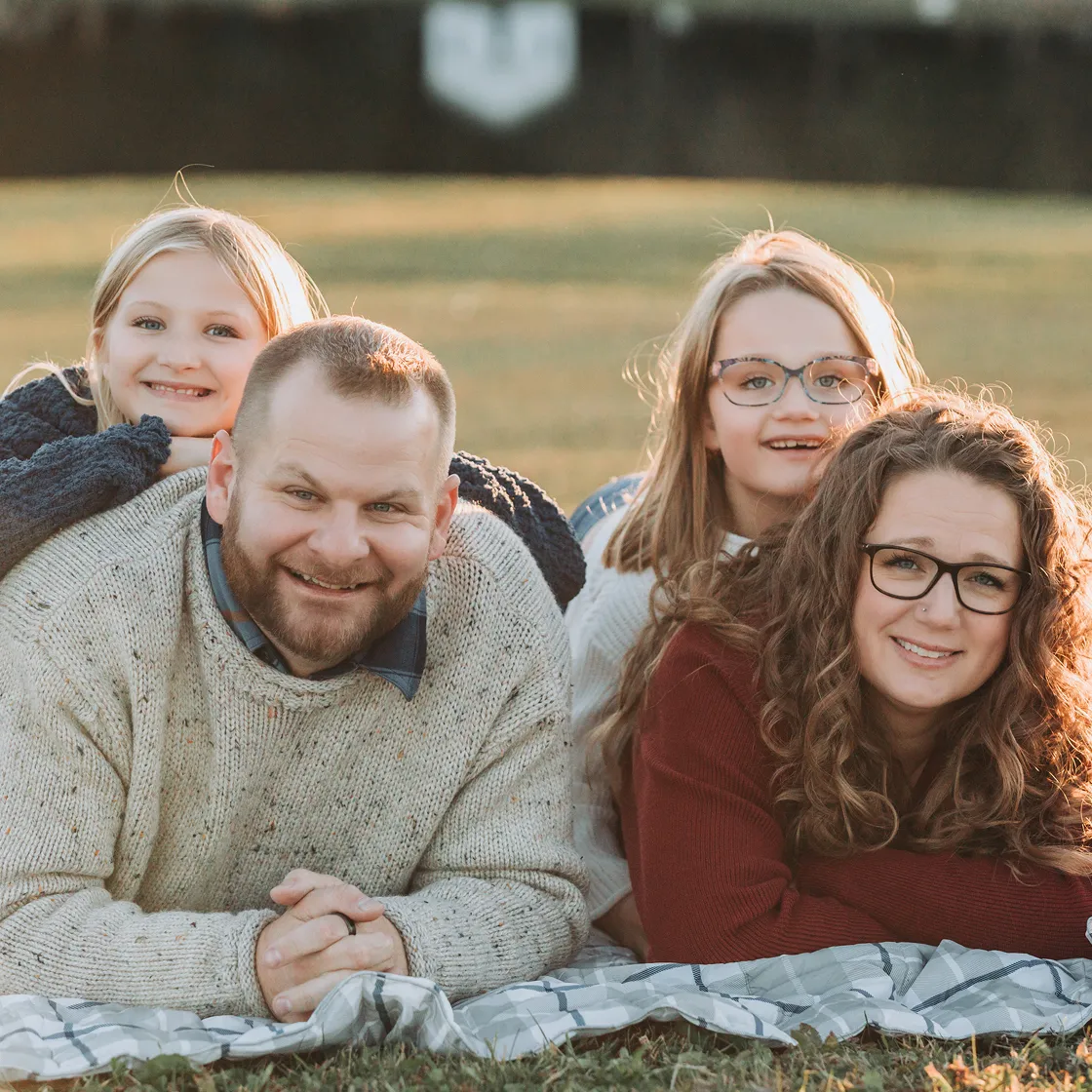
I live in Central New York with my wife, Danielle, and our daughters, Dylan and Rylee.
Everything I've built means very little without the people I get to share it with. Danielle has loved me through the best and worst versions of myself, and been patient while I learned lessons I should have learned much earlier.
For years my family got whatever was left of me at the end of the day. Fixing that has been the most important work I've done.
I have five siblings. Tammy died of an overdose. Travis is in prison. Christina and I don't really talk. Diana and Dean are still in my life.
Outside of work I golf, I ride a snowmobile when there's snow, and I give time to local nonprofits like Vera House. And I make time for the people I care about, which I did not do well for a long time.


My work

Nave Law Firm with Dennis Nave in 2018. Today I am the CEO.
I don't have a law degree.
Early on, I saw people being turned away because they couldn't afford to pay an entire legal fee upfront. They could afford representation. They just needed a different way to pay for it. So I built a payment plan system that let people get the representation they needed without money standing in the way.
That became a pattern: find the friction, understand why it exists, and build something better.
I moved from client services into operations and eventually became CEO. Along the way the brand evolved with the business. What started as DWI GUY became DWI TEAM, shifting the focus from one person to the attorneys, advocates, paralegals, and support staff who make the difference for our clients. From there, Nave Law Firm grew to handle the other legal problems that come up in life.
Today, DWI TEAM is one of the largest DWI defense firms in the country, and Nave Law Firm continues to grow across multiple practice areas throughout Upstate New York.
Most of our clients are having the worst month of their life. They're scared, they're embarrassed, and most have never needed a lawyer before. What happens in the courtroom matters. So does everything leading up to it, and how they're treated along the way.
I don't practice law. My job is everything around it — operations, hiring, marketing, finance, technology, and deciding where we grow and what we say no to. Building the systems that let good people do good work consistently, at volume, under pressure.
Mostly that means giving good people the resources and the accountability to do their best work. What I care about is building something that outlasts any one person, including me.